
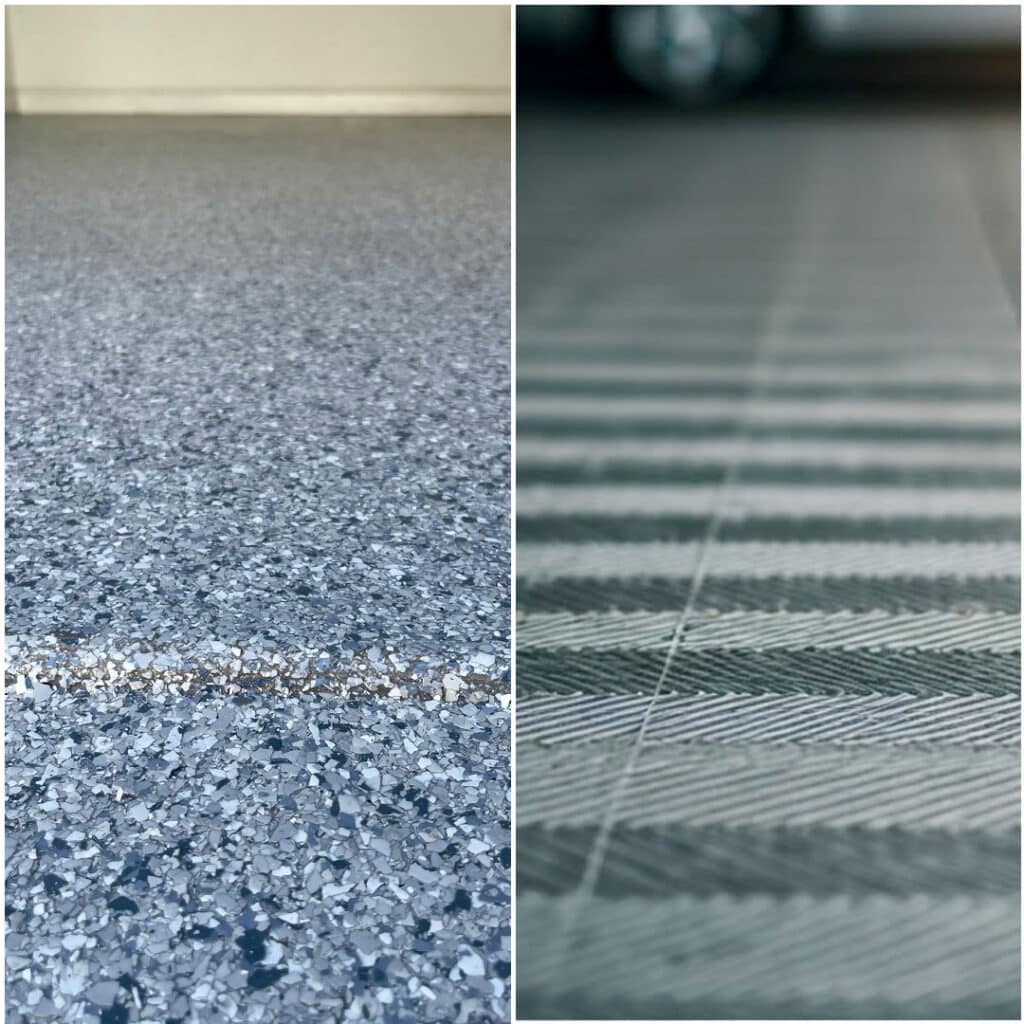

Tiles vs Epoxy: Which Is Better for Your Project?
When choosing new flooring for your home or business, two common options often come up: tile flooring and epoxy flooring. Both offer durability, visual appeal, and long-term value, but they’re designed for different environments and needs.
While tile has traditionally been used in kitchens, bathrooms, patios, and interior spaces, epoxy flooring has grown in popularity for basements, retail spaces, warehouses, showrooms, restaurants, garages, and even modern residential interiors.
If you’re trying to decide between tile flooring and epoxy flooring, here’s what you should know before making your investment.
Floor Tiles vs Epoxy: Quick Comparison
| Feature | Epoxy Flooring | Floor Tiles |
|---|---|---|
| Installation | Professional, multi-day | DIY-friendly, same day or multi-day |
| Durability | 10–20 years | 10–30+ years (varies) |
| Maintenance | Very low | Moderate (debris between seams) |
| Water Resistance | Seamless, waterproof | Water can pass underneath |
| Repair | Difficult | Easy (replace tiles) |
| Cost | $$–$$$ | $$–$$$$ |
| Appearance | Seamless, high-end | Custom patterns, modular, less seamless |
Pros and Cons of Epoxy Flooring
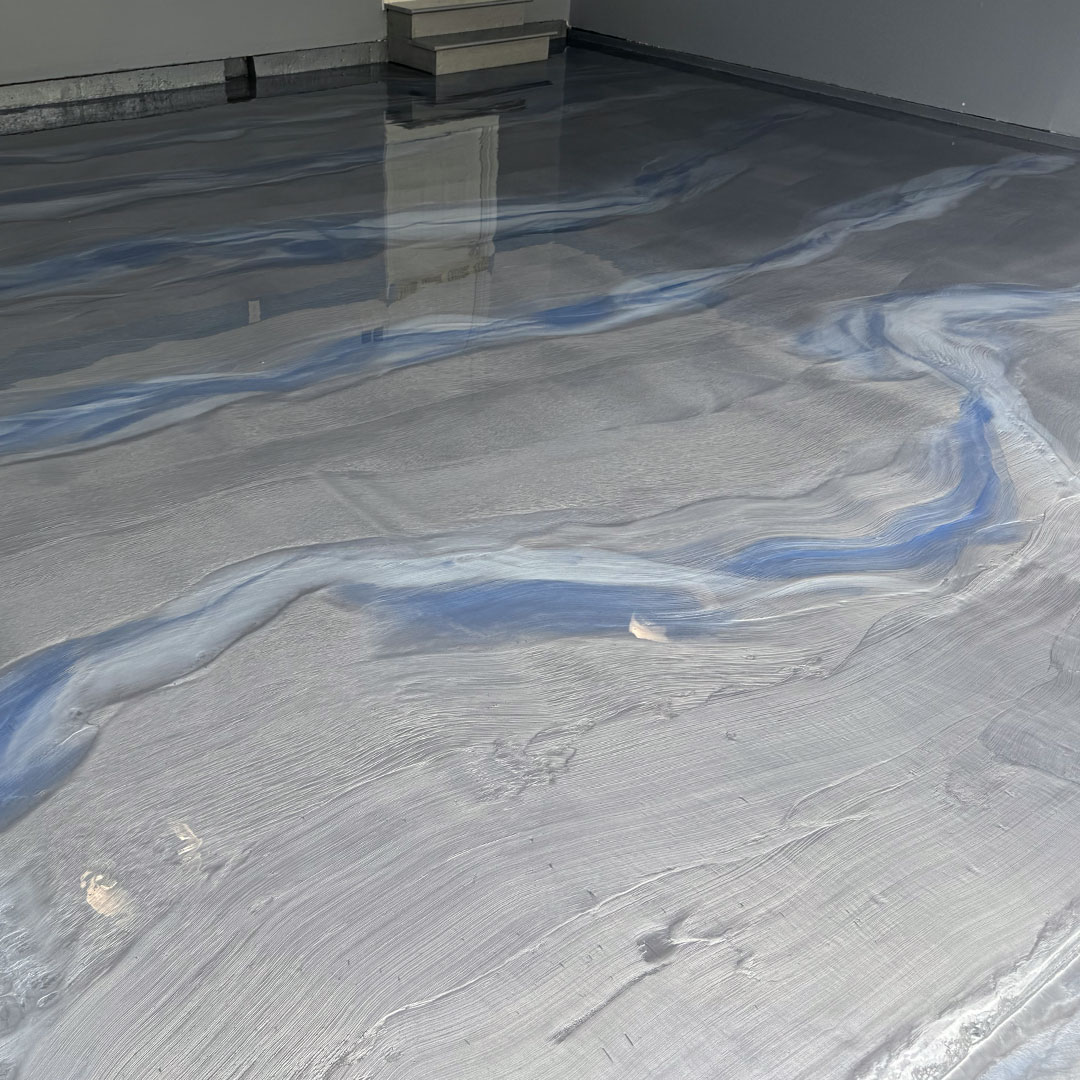
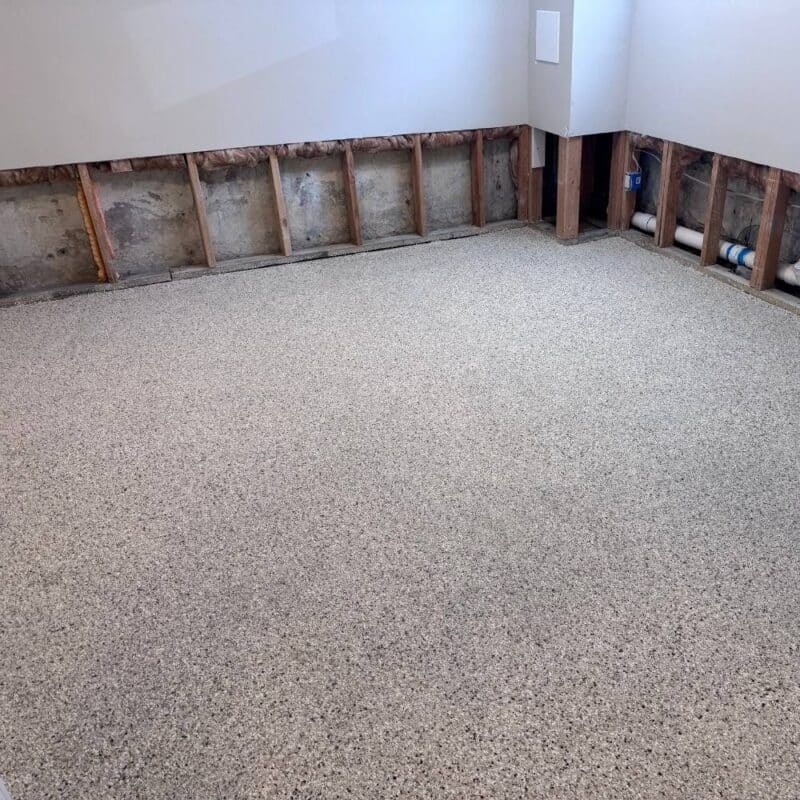
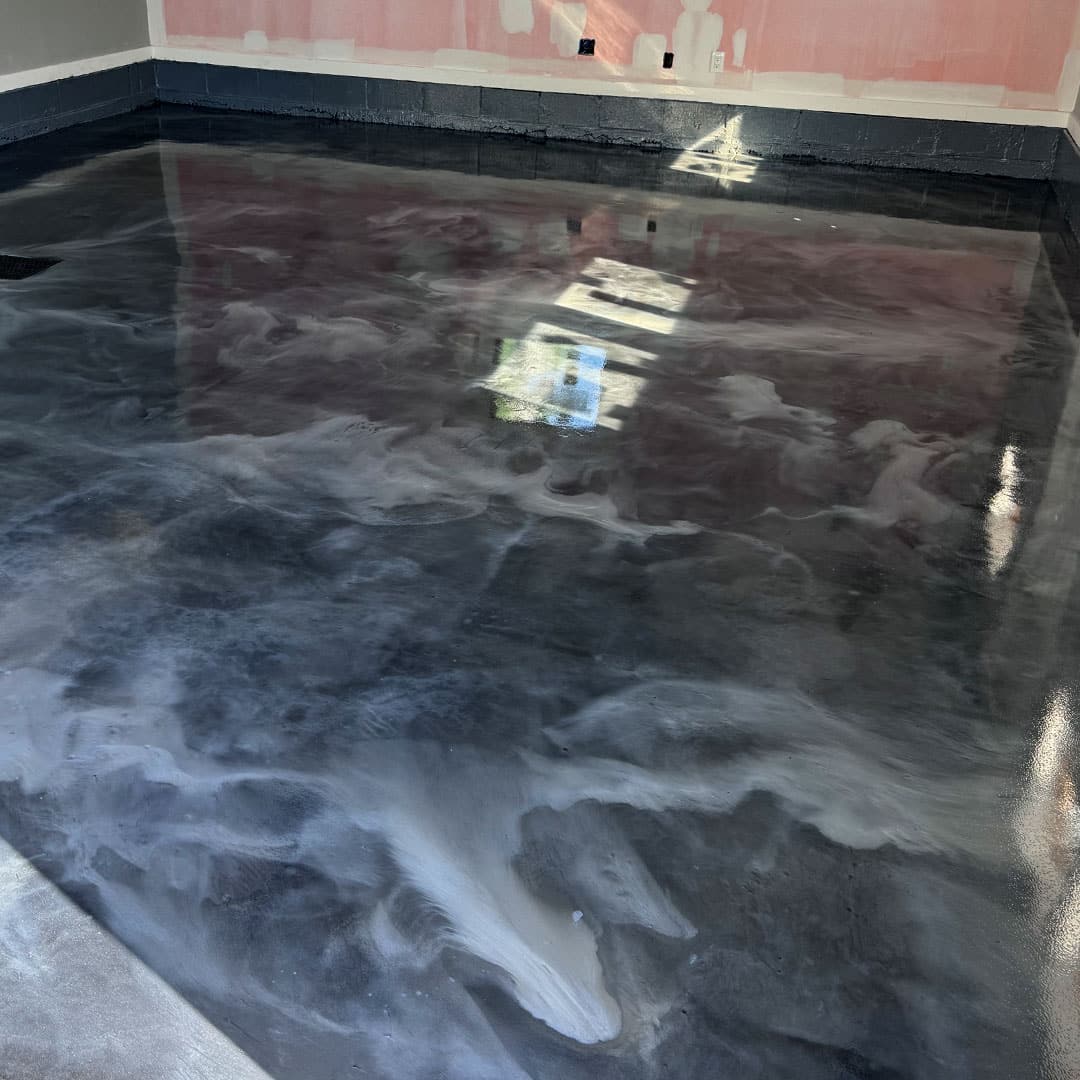
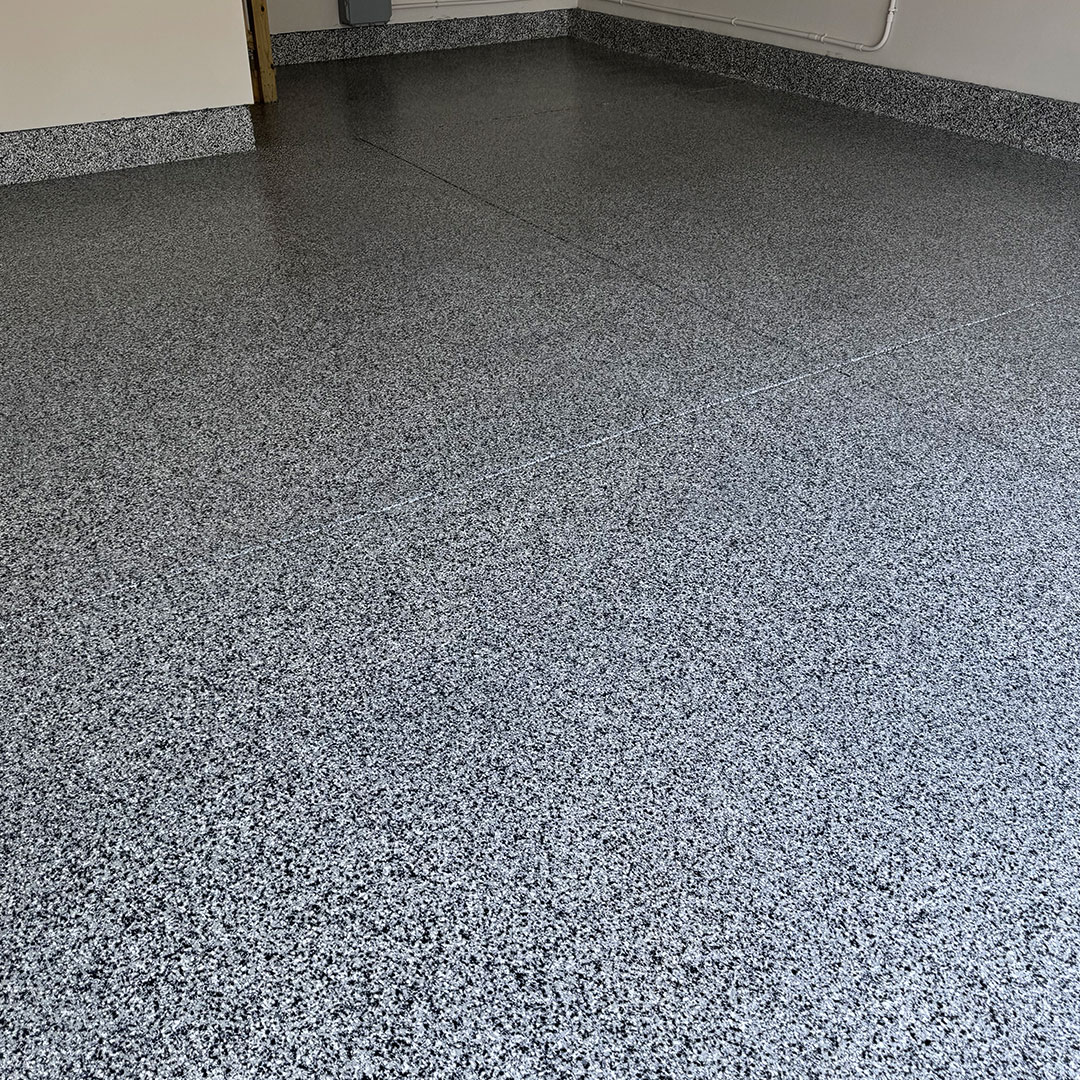
Epoxy is a durable resin coating applied directly to your concrete floor. It comes in three main styles: solid color, metallic, and flake. All are resistant to stains and chemicals. The solid and metallic finish creates a seamless, mirror-like surface, while the flake style adds depth and slip resistance. Professional installation is often recommended for best results.
Pros:
- Durability: Epoxy can last for a long time with proper care.
- Seamless finish: You get a smooth, uninterrupted surface.
- Stain resistant: Spills wipe up easily without leaving marks.
- Customizable: Available in many colors and finishes, including metallic options.
- Increases home value: A well-done epoxy floor can be a selling point.
Cons:
- Complex installation: Proper application requires thorough prep and curing time.
- Time-consuming: Your floor may be unusable for several days during installation.
- Sensitive to moisture: Improper installation can lead to peeling if moisture is present.
- Slippery when wet: Epoxy can be slick, though additives can improve traction.
- Difficult to change: Once applied, it’s not easy to switch to a different flooring.
Epoxy flooring offers a high-end, durable solution for your floors. It’s ideal if you want a long-lasting, professional-looking finish and don’t mind the initial investment.
Pros and Cons of Tile Flooring
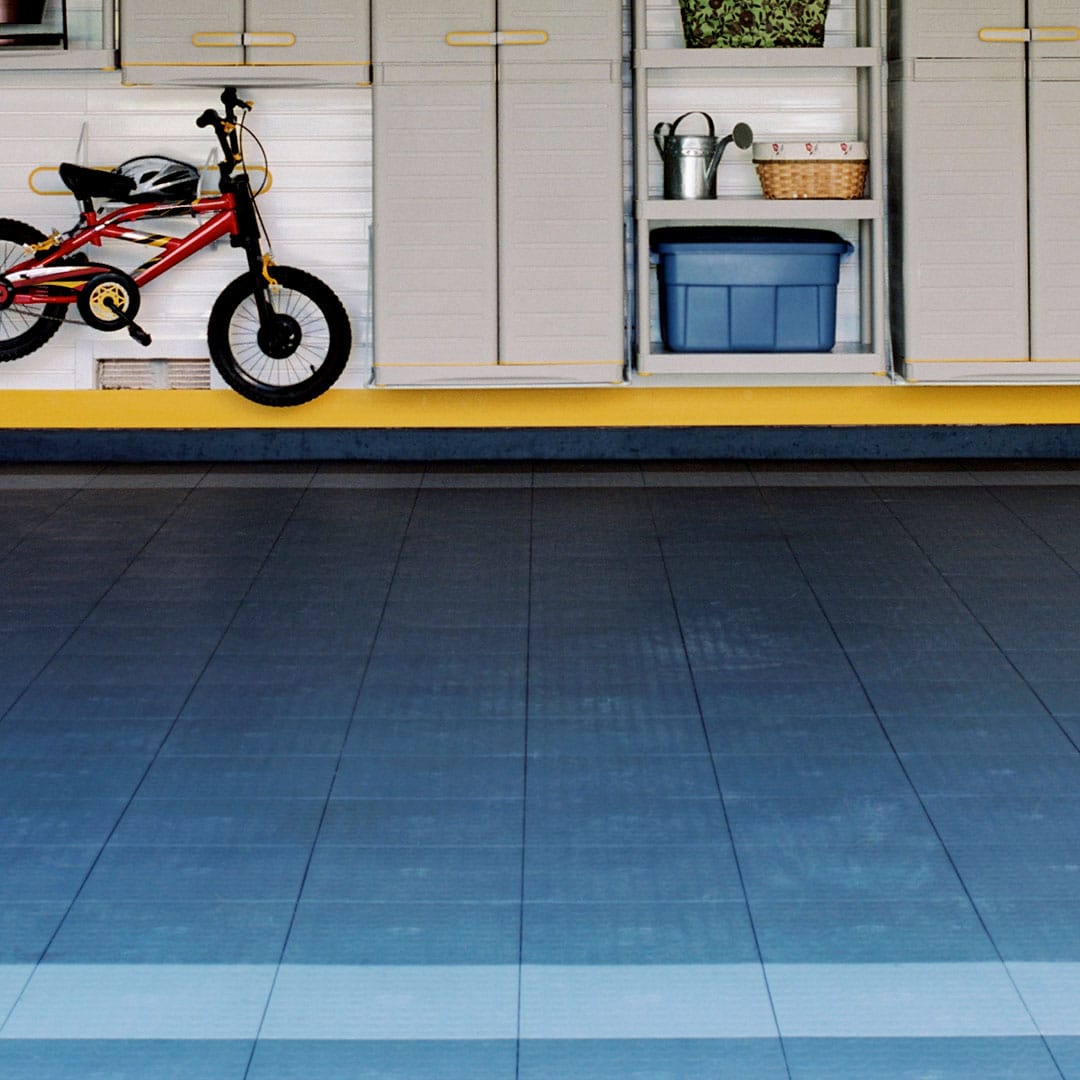
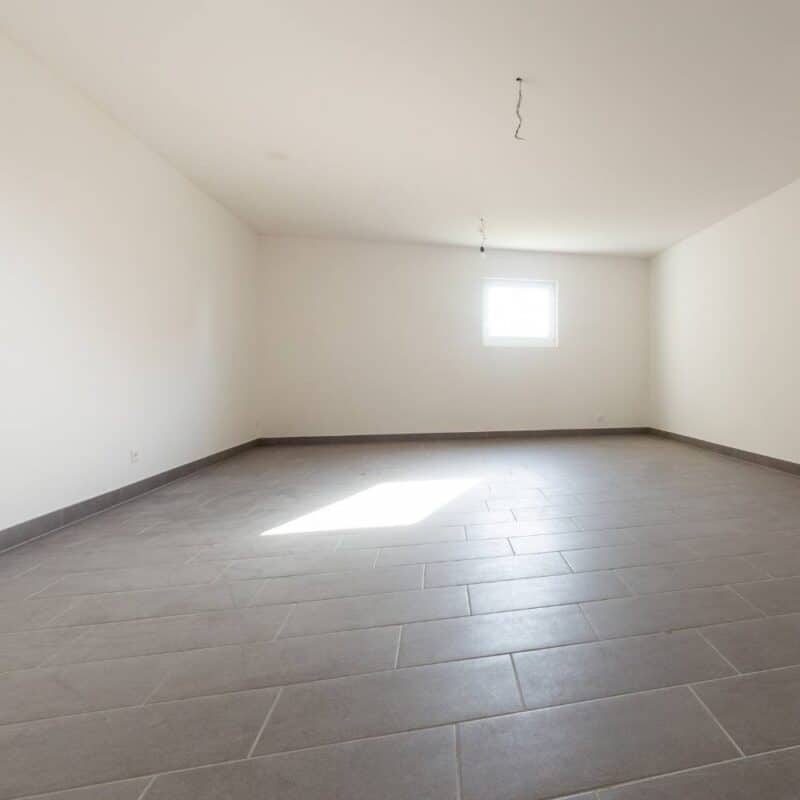
Tile flooring consists of individual ceramic, porcelain, stone, or natural material tiles installed over a prepared surface with grout lines between each piece. It remains a popular choice because it’s available in countless styles, textures, colors, and patterns, making it a versatile option for both residential and commercial spaces where design flexibility is important.
Pros:
- Easy installation: You can lay these tiles over a weekend without professional help.
- Quick to replace: If a tile gets damaged, you can swap it out easily.
- Portable: Moving? You can take the tiles with you to your new home.
- Good for uneven floors: Tiles can hide minor imperfections in your concrete.
- Immediate use: Once installed, you can use your floors right away.
Cons:
- Can be noisy: Some tiles make a clicking sound when you walk on them.
- Seams: While minimal, you’ll see lines where tiles connect.
- Possible shifting: Heavy objects might cause tiles to move if not secured well.
- Less seamless look: The overall appearance isn’t as smooth as epoxy.
Floor tiles offer a balance of practicality and personalization. They’re a good fit if you want a DIY-friendly option that’s easy to maintain and allows for future changes.
Making the Decision
The right flooring option depends on your space, budget, installation timeline, style preferences, and how much wear your floors will experience over time. Tile flooring is often a better fit if you prefer traditional design options, decorative finishes, and the ability to replace individual pieces when needed, but it typically comes with a higher labor component due to the precision required for laying tile and grout. Installation can also take longer, especially in larger or more detailed spaces, since each piece must be set, spaced, and finished carefully. Material costs can vary widely depending on the type of tile you choose, but additional expenses like grout, sealing, and potential future maintenance should also be considered when planning your budget.
Epoxy flooring, on the other hand, is ideal if you want a seamless, modern surface with strong durability and low long-term maintenance. While the upfront cost is largely influenced by surface preparation, such as repairing or grinding the existing concrete, the installation process itself is generally more efficient once prep work is complete. Epoxy systems also eliminate the need for grout and individual piece placement, which can reduce installation complexity in many spaces. It performs especially well in high-traffic or moisture-prone environments and is often chosen for its long-term value, ease of cleaning, and ability to withstand heavy use without frequent repairs.
Epoxy Is the Better Long-Term Investment
Unlike tiles, epoxy bonds directly to your concrete, creating a sealed, durable surface that protects your floors for years. It doesn’t shift, trap debris, or require constant upkeep, making it the preferred choice for homeowners who want a clean, professional finish that lasts.
At Swayd Epoxy Floors, we help homeowners and businesses upgrade their floors with durable, attractive epoxy coatings built to last. From basements and patios to warehouses, retail spaces, and garages, our team provides flooring solutions that combine performance and style. Contact us today for a free estimate.